A rapeseed hydraulic line is shaped by three realities to settle first: the seed is small and fines-sensitive, the variety drives the market lane, and many projects are seasonal or retrofit. Address those and the press discussion becomes straightforward.
This rapeseed project starts from variety identification, fines discipline, conditioning sensitivity, and the clarification loop — because these factors decide whether a rapeseed hydraulic line actually works in practice. Regional mills and cooperatives need practical engineering, not abstract catalog talk.
Seed variety and fines management belong at the start of the rapeseed discussion, because on small seeds the intake and conditioning stages decide line stability.
Seasonal operation and retrofit constraints are written directly into the project discussion: harvest peaks, off-season storage, and existing building limits are all part of first-round planning.
Clarification is treated as a designed loop with residence time, tank handoff, and acid-value control — not a vague 'later filtration' note.
Rapeseed and canola projects have three characteristics to settle early: the seed is small and sensitive to fines, the variety determines erucic acid and glucosinolate levels, and many rapeseed regions operate seasonally. Once these three are named clearly, the rest of the project boundary becomes easier to define.
Traditional rapeseed has higher erucic acid. Canola (low-erucic) targets edible markets. High Erucic Acid Rapeseed (HEAR) serves industrial oleochemical uses. The variety changes the entire downstream regulatory and marketing story.
Rapeseed is small and generates fines during handling, transport, and storage. Excess fines block screens, overload the conditioner, and create crude-oil clarity problems that look like press issues but actually belong to intake.
Rapeseed conditioning — moisture, temperature, and silo residence time — is where batch stability is decided. The press merely processes whatever the conditioner delivers, and rapeseed shifts faster than larger seeds when conditioning drifts.
Rapeseed crude oil benefits from well-designed settling, possibly water degumming, and clean tank transfer. If clarification is left vague, acid value and color will drift and the oil becomes harder to refine or sell downstream.
Many rapeseed projects are retrofits into existing village mills, regional plants, or cooperative buildings. Cleaning, conditioning, the press cell, clarification, and tank zones all need to fit a real floor plan, not an idealized empty workshop.
This graphic helps explain where each module sits when a rapeseed line must fit into an existing regional mill.
Review retrofit layoutThis clip shows how a real rapeseed shift connects conditioning discharge to barrel loading, hydraulic cycling, and crude-oil collection — the rhythm that decides actual daily throughput.
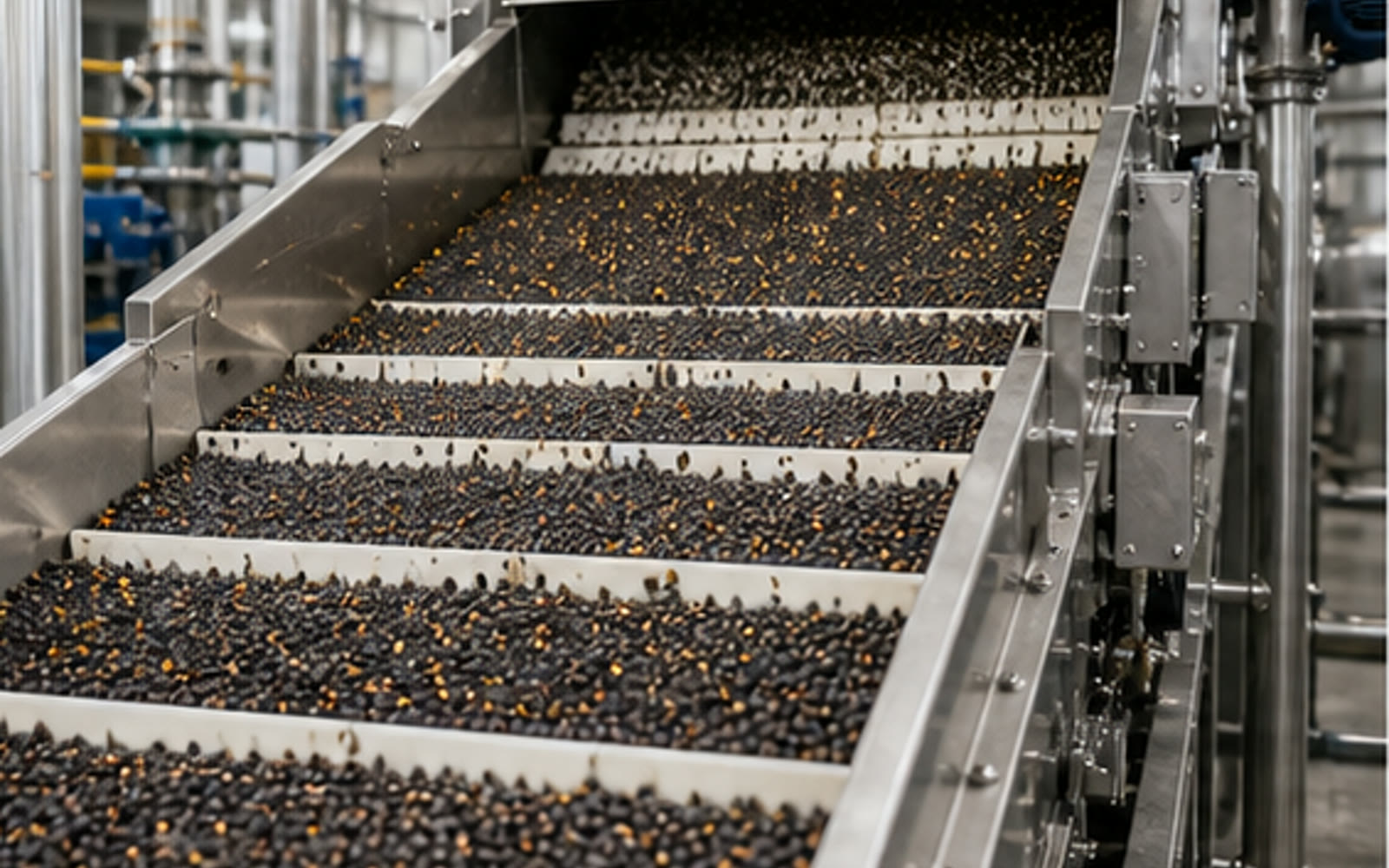
Watch batch cycleRapeseed generates fines fast. The cleaning section must handle this load before the conditioner, or conditioning and pressing will both suffer.
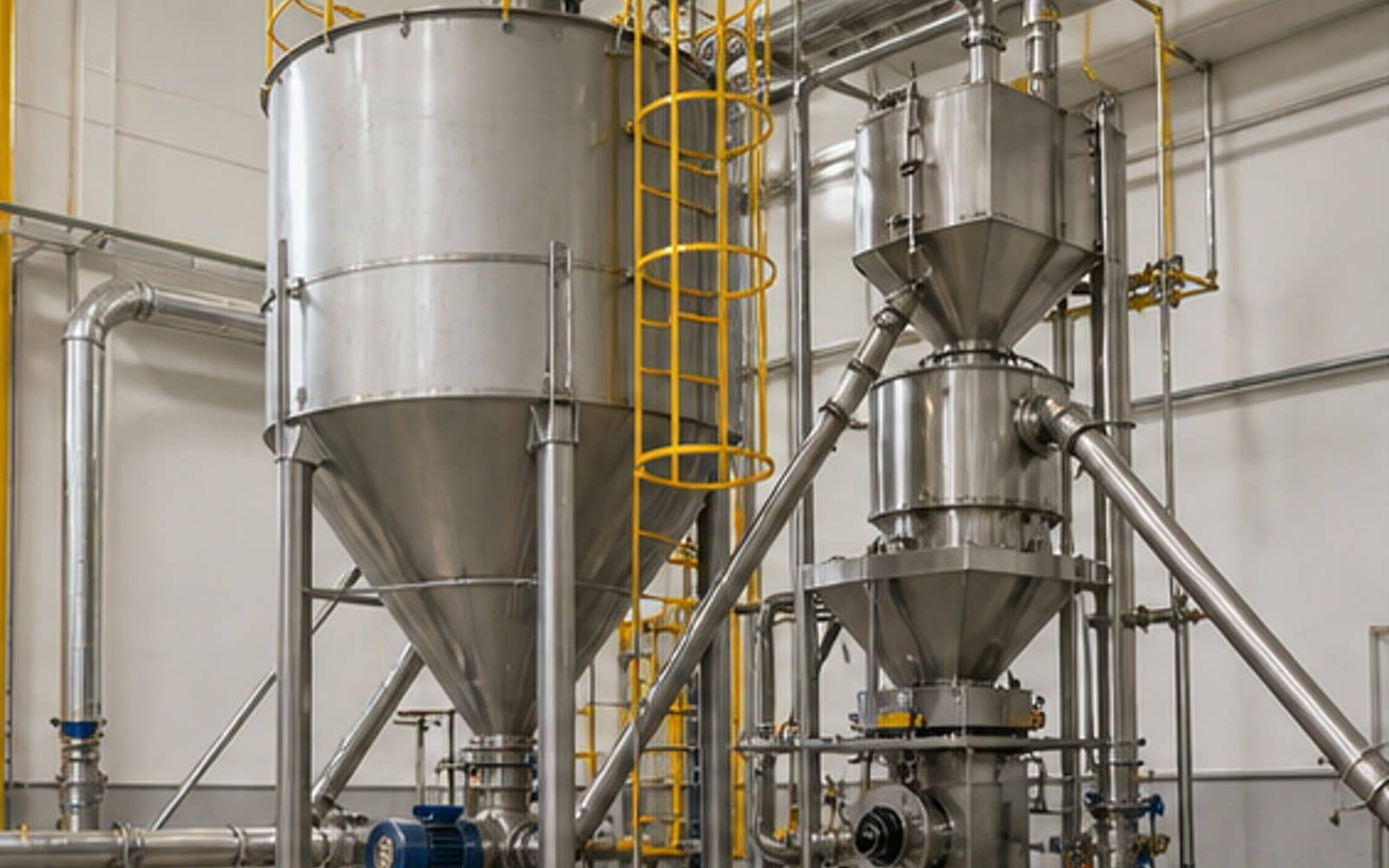
Rapeseed silo conditioning requires predictable hold time, gentle heating, and consistent discharge. The conditioner stage is the heartbeat of the whole line — not a secondary module.
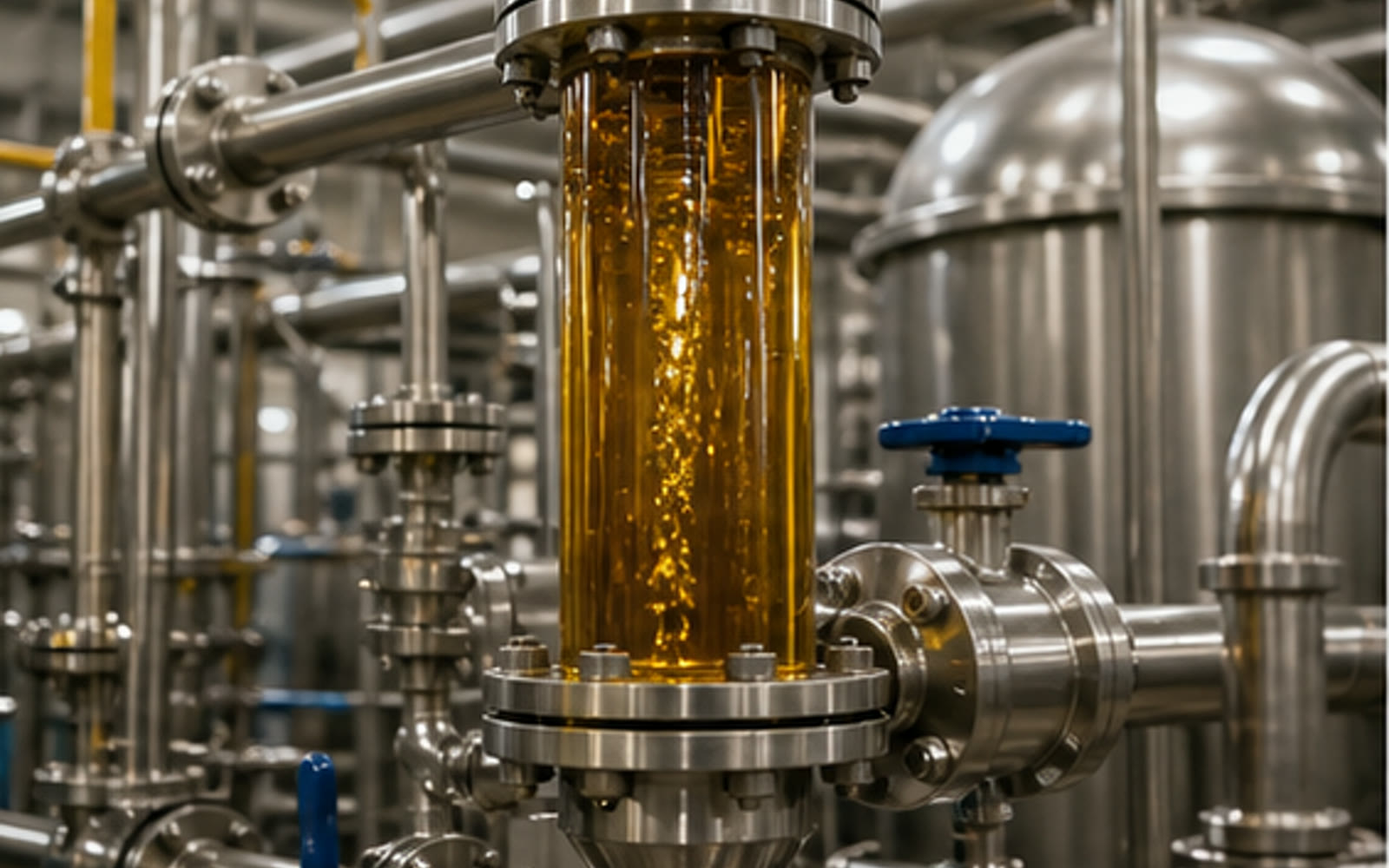
Rapeseed crude oil needs proper clarification: settling, possible water degumming, and clean transfer to storage or refining. Leaving this vague causes acid-value drift and color problems downstream.
Rapeseed projects split naturally by scale and season. A village mill pressing local seed during harvest, a regional canola brand operating year-round, and a cooperative with seasonal peak demand need different line sizes, storage logic, and crude-oil handling plans.
Seasonal operation, local seed, practical clarification, and bulk or drum packaging. The line must be simple enough for limited labor but robust enough for harvest-season peaks.
Year-round production, low-erucic variety, controlled conditioning, proper clarification and possible refining. The oil targets retail shelves with consistent color and acid-value standards.
Multiple growers supply seed at different moisture and quality levels. The line must tolerate feedstock variation, segregate lots when needed, and produce oil and meal that satisfy several stakeholders.
Rapeseed projects are often under-specified because the seed is treated as 'just another oilseed.' But seed variety, fines level, seasonal pattern, and clarification requirement all change the line design. Providing these inputs from day one prevents wasted quotation rounds.
The strongest rapeseed inquiries name the variety, the seasonal pattern, and the crude-oil treatment plan upfront. That combination lets the factory size the line correctly on the first pass.
A rapeseed line should not describe one isolated press. It needs to connect a roasting/cooking section, hydraulic pressing, cake breaking, and fabric filtration. Those details explain when a rapeseed project needs a hot route, when it can stay lower temperature, and where crude-oil clarification begins.
When an electric-heating cooking stage is included, rapeseed capacity should be checked from cooker discharge first, then from the press cell.
Rapeseed crude oil carries fine particles and gums. The press, cake breaker, cloth/fabric filter, and settling tank should be discussed as one handoff.
Hot pressing is usually for practical edible oil and smoother oil release; lower-temperature pressing needs cleaner seed, slower rhythm, and stricter crude-oil handling.
The variety must be identified at intake — they look similar but produce different oils. Traditional Brassica napus / Brassica juncea high-erucic varieties versus canola (Canadian-bred low-erucic, low-glucosinolate). This determines the entire downstream plan.
Steam-jacketed cooker conditions the seed before hydraulic pressing. Proper conditioning gives cleaner oil release, lower residual oil in cake, and the characteristic nutty aroma traditional buyers expect.
300 ton hot-press for moderate capacity, 325 ton for higher-pressure handling of stubborn seed batches. Two-barrel cycle including loading is ~1.5 h. Residual oil in cake ≤7%.
Degumming with hot water + phosphoric acid for hydratable phospholipids, alkali neutralization to remove FFA, bleaching with activated earth, vacuum deodorization at 240–260 °C. The result is a pale yellow neutral oil suited to retail.
Seeing the barrel, frame, and loading space makes capacity, shifts, and model selection easier to discuss.
Useful for checking footprint, access aisles, loading side, cake discharge, and filtration position.
Bagging, bins, or crushing after discharge changes press-room flow and by-product value.
When the project moves beyond trial batches, workshop height, lifting, loading, and filtration need to be checked together.
For export projects, voltage, crate packing, spare parts, installation mode, and destination port should be aligned early.
Fast startup after arrival depends on power, foundation, lifting, and staffing being confirmed before shipment.
Both come from Brassica species, but canola is a low-erucic-acid (<2%), low-glucosinolate variety bred in Canada from the 1970s. Traditional rapeseed has ~50% erucic acid and a strong flavor. Canola is the global commodity cooking oil; traditional rapeseed is mostly a regional flavor product.
Share feed condition, target output, post-press destination, and site constraints, and we will turn scope into a workable engineering plan.